Introduction
Music and art therapy in senior rehabilitation are gaining attention. These creative therapies help older adults recover both physically and emotionally. Music therapy uses songs, rhythms, and sounds to support healing. Art therapy involves painting, drawing, or crafting to express feelings and improve well-being. In senior rehabilitation, these therapies are often part of physiotherapy programs. They offer gentle, enjoyable ways to boost recovery. Many centers now include music therapy for elderly patients and art therapy benefits for seniors in their care plans.
Benefits of Music Therapy for Seniors
Music therapy offers many advantages for older adults. For example, it can:
Moreover, listening to familiar songs can bring comfort. Singing or playing instruments can also help with speech and coordination. As a result, music therapy for elderly people is a popular choice in rehabilitation activities for older adults.
Benefits of Art Therapy for Seniors
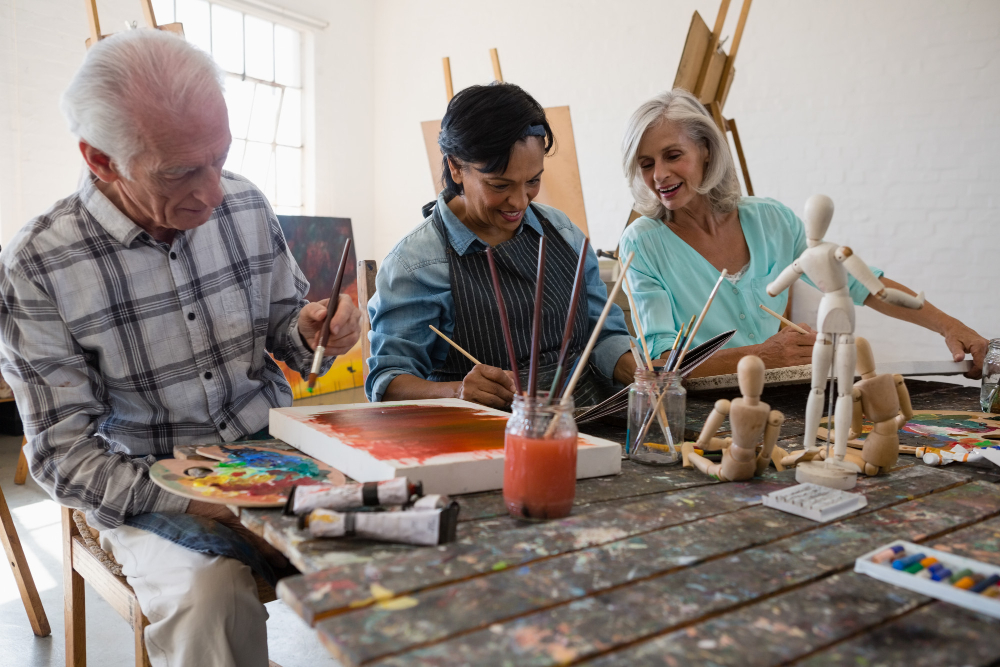
Art therapy benefits for seniors are also significant. Through creative activities, seniors can:
In addition, art therapy can help seniors process changes or losses. It gives them a way to share their stories and connect with others. Therefore, creative therapies in physiotherapy are valuable tools for healing.
How Music and Art Therapy Support Physical and Emotional Recovery
Both music and art therapy support recovery in unique ways. For instance, music can motivate seniors to move, dance, or stretch. This helps with balance and strength. Art activities, on the other hand, improve hand control and focus. Furthermore, both therapies reduce stress, which can speed up healing. When seniors feel happier and more relaxed, they often recover faster. These therapies also help manage pain and improve sleep. Because of these benefits, many rehabilitation programs now include creative therapies for older adults.
Evidence-Based Outcomes
Research supports the use of music and art therapy in senior rehabilitation. According to the World Health Organization (WHO), creative therapies can improve mental health and quality of life for older adults. A study in the journal Frontiers in Psychology found that music therapy reduced depression and improved memory in seniors with dementia. The Centers for Disease Control and Prevention (CDC) also note that creative activities help seniors stay active and engaged. These findings show that music and art therapy are effective parts of rehabilitation activities for older adults.
How to Access Music and Art Therapy in Rehabilitation Programs
Many rehabilitation centers now offer music and art therapy. You can ask your local hospital or physiotherapy clinic about these services. Some community centers and senior living facilities also provide creative therapies. In larger cities, you may find specialized therapists who visit homes or lead group sessions. Always check that the therapist is certified and experienced in working with seniors. If you live in a rural area, some programs offer online sessions or home visits. Therefore, access to music and art therapy is growing in many locations.
Tips for Families and Caregivers
Families and caregivers play a key role in supporting seniors during rehabilitation. Here are some helpful tips:
Additionally, remember that every senior is unique. Some may prefer music, while others enjoy art. Be patient and supportive as they explore what works best for them.
Conclusion
In summary, music and art therapy in senior rehabilitation offer many benefits. They help older adults recover physically and emotionally. These creative therapies can improve mood, memory, and movement. As more evidence supports their use, access to these therapies is expanding. If you care for a senior, consider adding music or art to their daily routine.
Consult a rehabilitation specialist at Kakatiya Rehabilitation & Elderly Care to explore music and art therapy options tailored for seniors. Book your consultation today!