
Introduction to Sleep Disorders in the Elderly
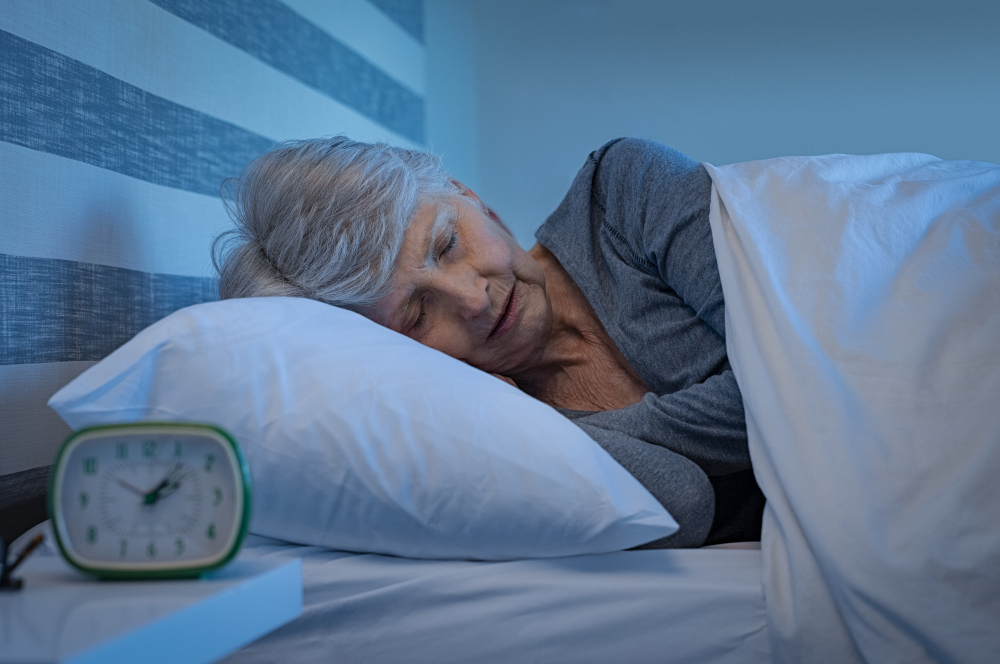
Many older adults struggle with sleep disorders in the elderly. As people age, sleep patterns often change. For example, some may find it hard to fall asleep or stay asleep. Others may wake up too early. Because of these changes, improving sleep for seniors becomes important for health and well-being. Sleep problems can affect mood, memory, and daily activities. Therefore, understanding and managing insomnia in older adults is key to better rest for aging adults.
Common Symptoms and Causes
Sleep disorders in the elderly can show up in many ways. Some common symptoms include:
There are several causes for these problems. For instance, aging changes the body’s sleep cycle. In addition, health issues like arthritis, heart disease, or depression can affect sleep. Some medicines may also disturb sleep. Furthermore, stress or worries can make it harder to rest well.
Diagnosis and When to Seek Help
It is normal for sleep to change with age. However, if sleep problems last for weeks or affect daily life, it is time to seek help. Doctors may ask about sleep habits and health history. Sometimes, they may suggest a sleep diary or tests to check for other problems. For example, sleep studies can find issues like sleep apnea. Early diagnosis helps in managing insomnia in older adults and finding the right treatment.
Effective Treatment Options
Treating sleep disorders in the elderly often starts with simple changes. Doctors may suggest:
In some cases, medicines may help. But, these are used with care because older adults can be sensitive to side effects. Sometimes, therapy for stress or anxiety is helpful. Physical therapy or gentle exercise can also improve sleep for seniors.
Practical Tips for Better Sleep in Seniors
There are many ways to support better rest for aging adults. Consider these elderly sleep tips:
With these steps, many seniors notice better sleep quality over time.
Lifestyle and Home Remedies
Besides medical care, lifestyle changes can make a big difference. For example, regular physical activity helps the body rest at night. Eating a light snack before bed may prevent hunger from waking you up. However, avoid heavy meals late in the evening. If you smoke, quitting can also improve sleep. In addition, keeping a sleep diary can help track patterns and spot problems.
Prevention and Long-Term Management
Preventing sleep disorders in the elderly is possible with healthy habits. For instance, staying active and social during the day supports good sleep. Managing health conditions, like diabetes or pain, also helps. Regular check-ups with a doctor can catch problems early. Over time, these steps support long-term sleep health for seniors.
Conclusion and Call-to-Action
In summary, sleep disorders in the elderly are common but manageable. With the right steps, seniors can enjoy better rest and improved quality of life. If you or a loved one struggles with sleep, do not wait. Consult a physiotherapist at Kakatiya rehabilitation & elderly care for personalized advice on managing sleep disorders in the elderly.