
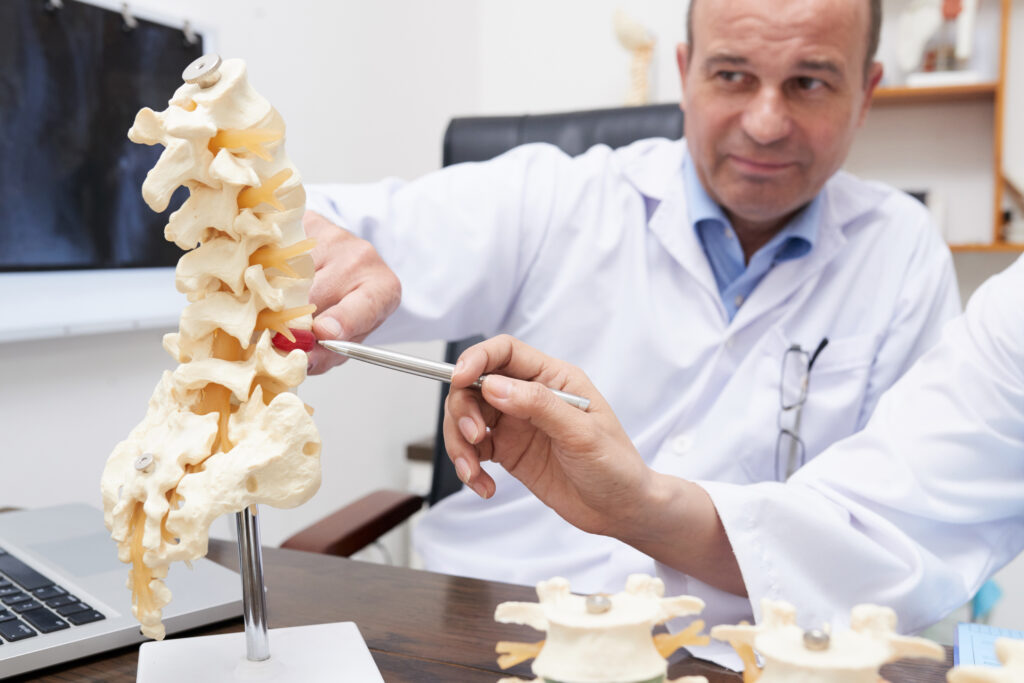
Ankylosing Spondylitis (AS) is a type of inflammatory arthritis that mainly affects the spine. This condition causes swelling in the joints of the back. Over time, it can lead to pain and stiffness. Many people search for symptoms of ankylosing spondylitis or want to know about spinal inflammatory arthritis. Early treatment, including physiotherapy for ankylosing spondylitis, can help manage symptoms and improve quality of life.
What is Ankylosing Spondylitis?
First, Ankylosing Spondylitis is a long-term disease. It causes inflammation in the joints of the spine. Sometimes, it can also affect other joints, such as the hips or shoulders. Because of this inflammation, the bones in the spine may slowly join together. This process can make the back less flexible. In some cases, it can even lead to a hunched posture. Although anyone can get AS, it often starts in young adults, especially men.
Common Symptoms of Ankylosing Spondylitis
Usually, symptoms of ankylosing spondylitis develop slowly. They may come and go. However, early signs are often mild and easy to miss. Some common symptoms include:
As the disease progresses, symptoms may become more severe. But with early care, many people can manage their pain and stay active.
Causes and Risk Factors
Although the exact cause of ankylosing spondylitis is unknown, experts believe genes play a big role. For example, most people with AS have a gene called HLA-B27. However, not everyone with this gene will develop the disease. Other risk factors include:
Sometimes, infections or other triggers may play a part, but more research is needed.
How is Ankylosing Spondylitis Diagnosed?
Doctors use several steps to diagnose ankylosing spondylitis. First, they ask about your symptoms and medical history. Next, they perform a physical exam to check for pain or stiffness. In addition, they may order tests such as:
Because symptoms can be mild at first, diagnosis may take time. However, early diagnosis helps prevent long-term problems.
Treatment Options for Ankylosing Spondylitis
Although there is no cure for ankylosing spondylitis, many treatments can help manage symptoms. Treatment plans often include:
With the right care, many people live active lives with AS.
Lifestyle Tips and Self-Care
Besides medical treatment, self-care plays a key role. Here are some tips to help manage ankylosing spondylitis:
For example, swimming and walking are gentle exercises that can help. Always talk to your doctor before starting a new exercise routine.
Prevention and Early Detection
Currently, there is no sure way to prevent ankylosing spondylitis. However, early detection can make a big difference. If you notice ongoing back pain or stiffness, see your doctor soon. Early treatment can slow the disease and protect your joints. In addition, knowing your family history can help you stay alert for symptoms.
Conclusion
In summary, ankylosing spondylitis is an inflammatory arthritis affecting the spine. Early diagnosis and proper care, including physiotherapy, can help manage symptoms effectively. If you experience persistent back pain or stiffness, consult Kakatiya Rehabilitation & Elderly Care for personalized guidance and care.