Introduction
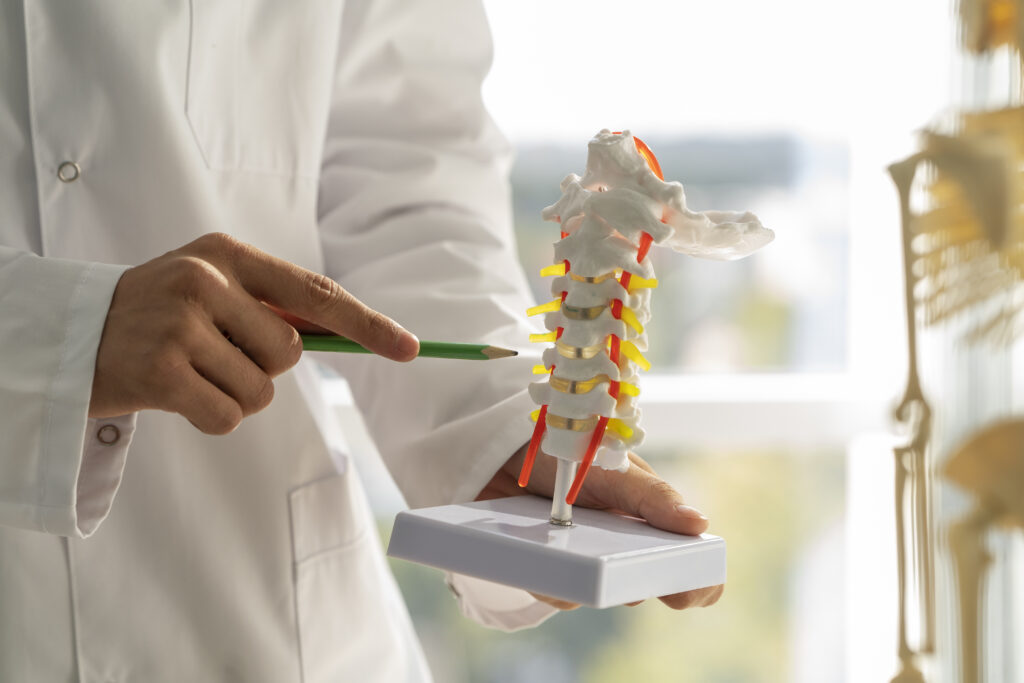
A herniated disc happens when the soft part inside a spinal disc pushes out. This can press on nerves and cause pain. Many people experience this problem, especially as they get older. Understanding the major causes of herniated disc can help you protect your back and stay healthy. Early care, including physiotherapy for herniated disc, can make a big difference.
Major Causes of Herniated Disc
There are several main reasons why a herniated disc may occur. Knowing these causes can help you avoid them or get help early.
Risk Factors: Who is Most at Risk?
While anyone can get a herniated disc, some people are more likely to have this problem. For example, certain jobs or habits can increase your risk.
According to the World Health Organization (WHO), back pain is a leading cause of disability worldwide. Because of this, knowing your risk is important.
Prevention Tips
Although you cannot change your age or family history, you can lower your risk in other ways. Here are some simple tips to help prevent a herniated disc:
For extra support, physiotherapy for herniated disc prevention can teach you safe movements and exercises.
When to Seek Help
Sometimes, a herniated disc can cause serious problems. You should see a doctor or physiotherapist if you notice:
If you live in a large city, you can search for herniated disc treatment in your area for quick help. Early care can prevent long-term problems.
Conclusion
In summary, herniated discs can result from aging, injury, repetitive strain, genetics, and lifestyle factors. You can reduce your risk by staying active and making healthy choices. If you experience symptoms, consult Kakatiya Rehabilitation & Elderly Care for personalized guidance on herniated disc prevention and care.