
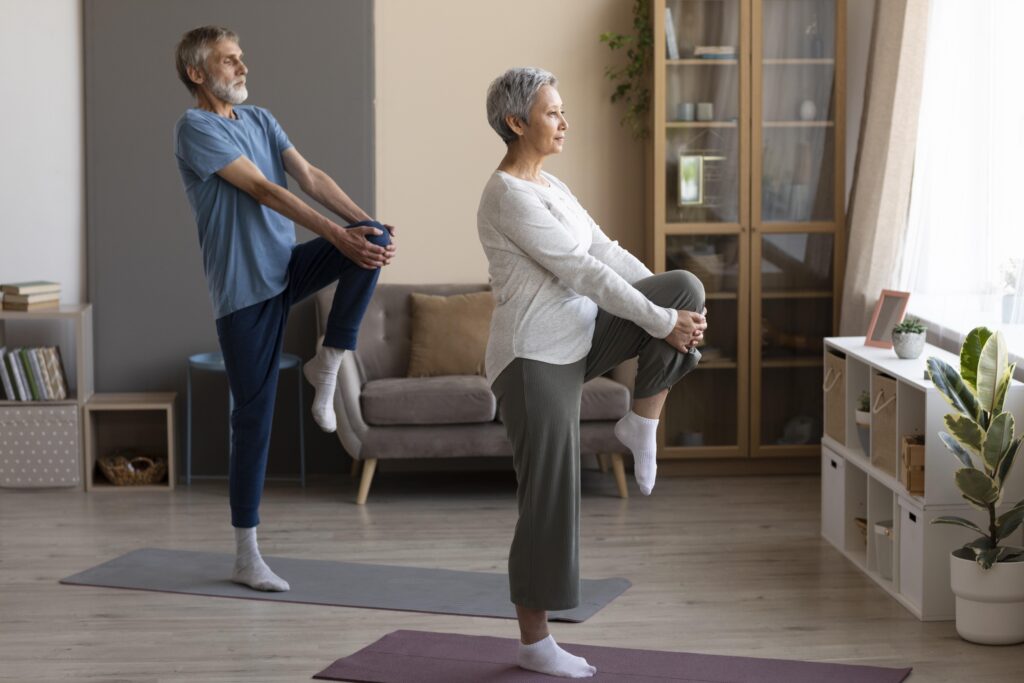
Improving coordination and gait in elderly patients is vital for safe and independent living. As people age, they may face challenges with balance and walking. These issues can increase the risk of falls. Therefore, elderly mobility improvement is a key goal for many families. Simple balance exercises for seniors and fall prevention in older adults can make a big difference. This guide explains how to help older adults move safely and confidently.
Understanding Coordination and Gait in the Elderly
Coordination is how well the body moves together. Gait is the way a person walks. In older adults, both can change over time. For example, slower steps or unsteady movement may appear. These changes can affect daily life. However, with the right support, many seniors can improve their movement and stay active.
Common Causes of Poor Coordination and Gait Issues
Many factors can lead to poor coordination and gait in elderly patients. Some common causes include:
Because these issues are common, it is important to watch for changes in movement.
Signs and Symptoms to Watch For
Early signs of coordination and gait problems can be easy to miss. Still, noticing them early helps prevent falls. Look for these signs:
If you notice any of these, it is wise to seek help.
Diagnosis and Assessment Methods
Doctors and physiotherapists use several methods to check coordination and gait. For instance, they may:
These steps help find the cause and guide treatment. According to the CDC, regular assessment can lower fall risk in older adults.
Evidence-Based Physiotherapy Treatments
Physiotherapy offers proven ways to improve coordination and gait in elderly patients. Treatments may include:
Research from the World Health Organization shows that regular physiotherapy can reduce falls and boost confidence.
Home Exercises and Lifestyle Tips
Simple home exercises can help elderly patients improve mobility. For example, try these:
Besides exercise, other tips include:
With these steps, seniors can stay safer at home.
Prevention Strategies for Safer Mobility
Preventing falls and injuries is possible with a few key strategies. For instance:
According to the CDC, these steps can greatly lower the risk of falls in older adults.
When to Consult a Physiotherapist
Sometimes, home care is not enough. If an elderly person has frequent falls, sudden changes in walking, or ongoing pain, it is time to seek expert help. A physiotherapist can create a plan for improving coordination and gait in elderly patients. They can also teach safe exercises and suggest helpful devices.
In summary, improving coordination and gait in elderly patients is key for safe, independent living. Early action, regular exercise, and expert advice can make a big difference. For personalized guidance, consult a physiotherapist today at Kakatiya Rehabilitation & Elderly Care.