
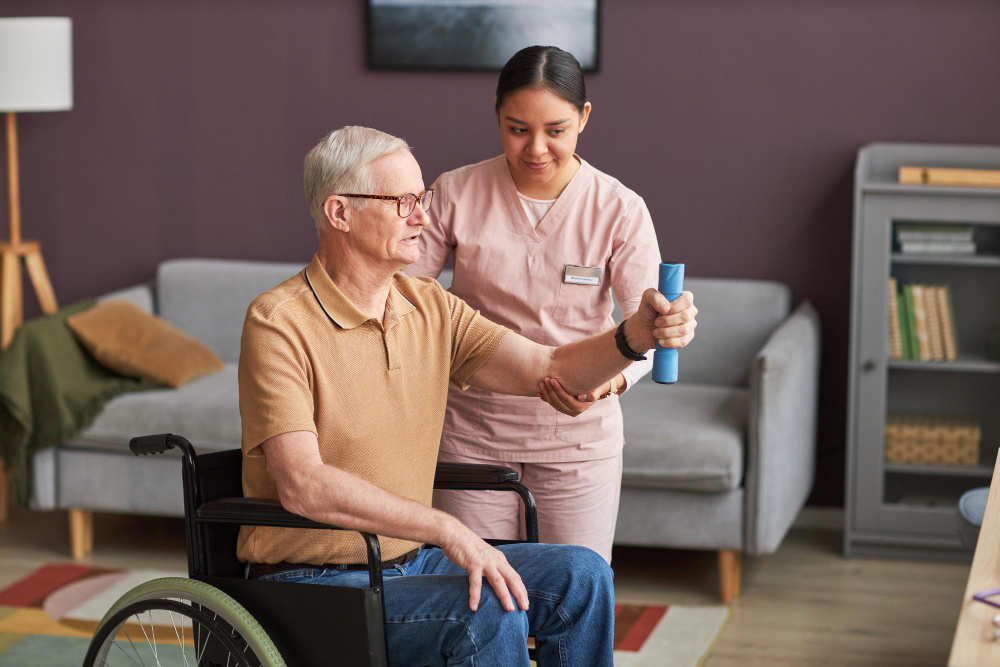
Introduction: The Importance of Family Caregivers in Home Rehabilitation
Family caregivers play a key role in helping loved ones recover at home. When someone needs rehabilitation, support from family can make a big difference. In fact, family caregivers support rehab at home by giving daily help, encouragement, and safety. Because home rehab is often less stressful than hospital stays, it can lead to better results. However, caregivers need the right guidance to help effectively.
Understanding Home Rehabilitation
Home rehabilitation means doing recovery exercises and activities at home after an illness, injury, or surgery. Usually, a doctor or physiotherapist creates a plan. This plan may include exercises, stretches, and daily tasks. Sometimes, it also involves using special equipment. Home rehab helps people regain strength, movement, and independence. For many families, this approach is more comfortable and flexible than visiting a clinic.
Roles of Family Caregivers in Home Rehab
Family caregivers support rehab at home in many ways. Their help can speed up recovery and boost confidence. Here are some key roles caregivers often take on:
Practical Tips for Daily Routines and Motivation
Supporting rehab at home can feel overwhelming at times. However, simple steps can make daily routines easier and more effective. Consider these practical tips:
Common Challenges and Solutions for Caregivers
Even with the best intentions, caregivers may face challenges. But, knowing what to expect can help you prepare. Here are some common obstacles and ways to handle them:
When to Seek Professional Help
Sometimes, home rehab needs extra support. Therefore, watch for warning signs that mean you should call a doctor or physiotherapist:
If you notice any of these, seek help right away. In addition, regular check-ins with health professionals can keep rehab on track.
Prevention and Self-Care for Family Caregivers
Caregivers often focus on others and forget their own needs. However, taking care of yourself is just as important. Here are some self-care tips to prevent burnout:
Remember, a healthy caregiver can give better support during home rehabilitation.
Conclusion
In summary, family caregivers support rehab at home by helping with exercises, offering emotional support, and keeping the home safe. With the right guidance, you can make a big difference in your loved one’s recovery. For the best results, consult at Kakatiya Rehabilitation & Elderly Care or physiotherapist for personalized advice and support.