
What is Parkinson’s Disease?
Parkinson’s disease is a long-term brain disorder. It mainly affects movement. The disease happens when certain brain cells stop working. These cells make a chemical called dopamine. Dopamine helps control how your body moves. Without enough dopamine, movement becomes slow and stiff. Over time, symptoms can get worse. Although there is no cure, treatment can help manage symptoms. Parkinson’s Disease & Physiotherapy can make a big difference in daily life.
Common Symptoms and Challenges
People with Parkinson’s disease may notice several changes. For example, movement may become slow. Shaking or tremors are also common. Many people feel stiff or have trouble with balance. In addition, walking can become harder. Some people may also have trouble speaking or writing. These symptoms can make daily tasks difficult. However, with the right support, many people can still enjoy a good quality of life.
The Role of Physiotherapy in Parkinson’s Disease
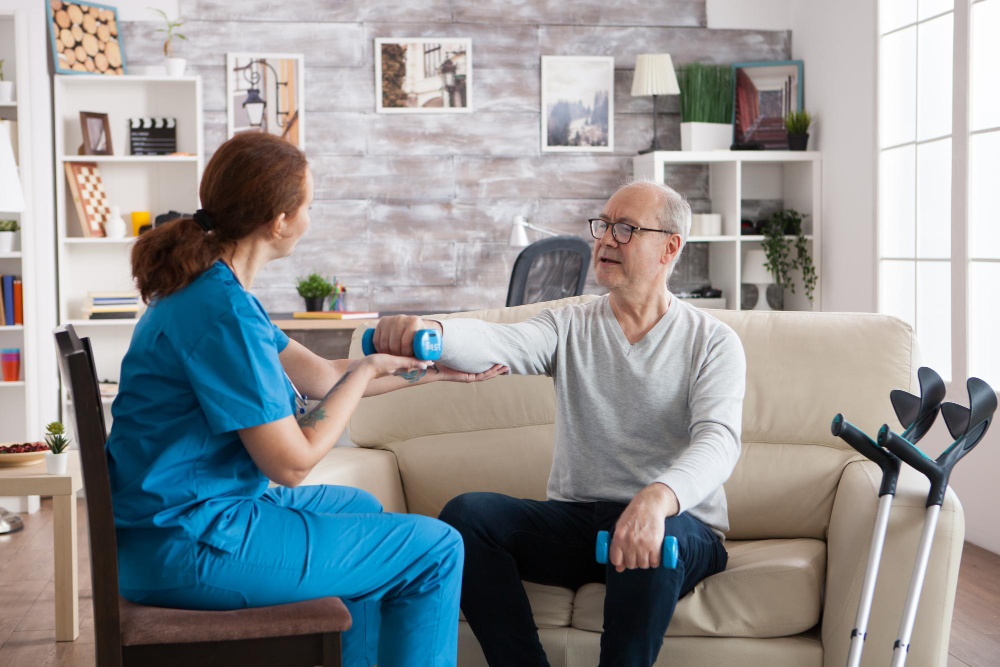
Physiotherapy for Parkinson’s disease is very helpful. It focuses on improving movement and strength. In fact, physiotherapists teach exercises that help with balance and walking. They also help reduce stiffness. Because Parkinson’s affects each person differently, therapy plans are made for each person’s needs. According to the World Health Organization, regular exercise can slow down the loss of movement skills. Therefore, physiotherapy is a key part of care.
Key Physiotherapy Techniques for Parkinson’s
There are many ways physiotherapists help people with Parkinson’s. For example, they use special exercises to improve walking. They also teach stretching to reduce stiffness. In addition, balance training helps prevent falls. Some common techniques include:
Because everyone is different, a physiotherapist will choose the best exercises for each person. These techniques are often used in Parkinson’s physiotherapy in clinics and at home.
Benefits: Improving Movement and Quality of Life
Physiotherapy offers many benefits for people with Parkinson’s. First, it helps keep muscles strong and flexible. As a result, movement becomes easier. Second, balance training can lower the risk of falls. Third, regular exercise can boost mood and energy. In addition, therapy can help people stay independent longer. Quality of life Parkinson’s therapy aims to help people do daily tasks with less trouble. Over time, these benefits can make a big difference.
Tips for Patients and Caregivers
Living with Parkinson’s can be challenging. However, there are ways to make life easier. Patients and caregivers can work together for better results. Here are some helpful tips:
Prevention and Lifestyle Guidance
While Parkinson’s disease cannot always be prevented, healthy habits can help. For instance, regular exercise keeps the body strong. Eating a balanced diet supports brain health. Also, staying social and active can boost mood. Although these steps may not stop Parkinson’s, they can improve overall well-being. Early action and healthy choices make a difference.
When to Consult a Specialist
It is important to see a doctor if you notice symptoms like shaking, stiffness, or slow movement. Early diagnosis can help start treatment sooner. In addition, if movement becomes harder or you fall often, talk to a physiotherapist. They can create a plan to improve movement and safety. For those living in cities, look for Parkinson’s physiotherapy in your area. Regular check-ups with a specialist help track progress and adjust care as needed.
In summary, Parkinson’s Disease & Physiotherapy work together to improve movement and quality of life. For the best results, consult a physiotherapist at Kakatiya Rehabilitation & Elderly Care for personalized guidance on managing Parkinson’s disease.