Introduction
Managing chronic pain in older adults is important for a better quality of life. As people age, pain can become a daily challenge. Chronic pain management for seniors helps them stay active and independent. With the right techniques and therapies, older adults can find relief. This blog will explain what chronic pain is, its causes, and how to manage it safely. We will also discuss physiotherapy for elderly pain and other helpful strategies.
What is Chronic Pain in Older Adults?
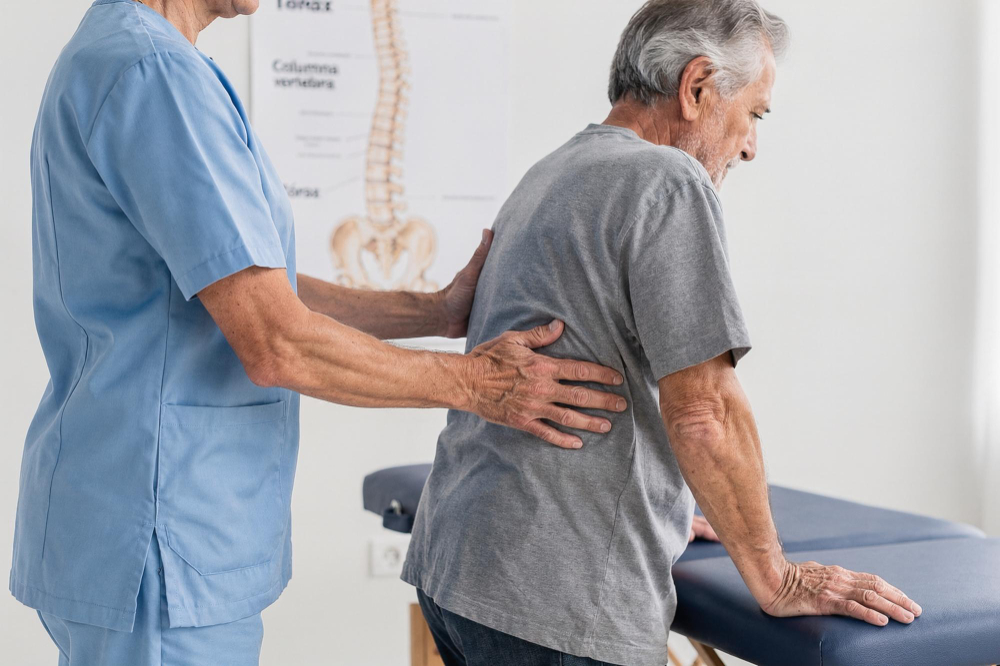
Chronic pain is pain that lasts for more than three months. In older adults, it can affect many parts of the body. For example, some may feel pain in their back, joints, or muscles. Unlike short-term pain, chronic pain does not go away quickly. Instead, it can make daily tasks harder. Because of this, managing chronic pain is very important for seniors.
Common Causes of Chronic Pain in Seniors
Many factors can lead to chronic pain in older adults. Some of the most common causes include:
In addition, some seniors may have more than one cause of pain. This can make treatment more complex. However, understanding the cause helps guide the best therapy.
Symptoms and Impact on Daily Life
Chronic pain can show up in many ways. For instance, some people feel a dull ache, while others have sharp pain. Common symptoms include:
Because of these symptoms, daily life can become harder. Seniors may avoid activities they enjoy. As a result, they might feel lonely or less independent. But with the right support, many can improve their well-being.
Diagnosis: How Chronic Pain is Identified
Doctors use several steps to diagnose chronic pain in older adults. First, they ask about the pain’s location, how long it has lasted, and what makes it better or worse. Next, they may do a physical exam. Sometimes, tests like X-rays or blood work help find the cause. In addition, doctors may ask about sleep, mood, and daily activities. This helps them understand how pain affects life. Early diagnosis leads to better pain management for seniors.
Evidence-Based Techniques and Therapies
There are many safe pain relief techniques for older adults. Evidence shows that a mix of therapies works best. Here are some proven options:
Because every person is different, a healthcare provider can help choose the best plan.
Lifestyle Tips for Managing Chronic Pain
Simple changes can make a big difference. For example, these tips can help manage chronic pain at home:
In addition, keeping a pain diary can help track what works best. Over time, these habits can improve comfort and mood.
Prevention and Long-Term Management
While not all pain can be prevented, some steps lower the risk. For instance, regular exercise keeps muscles and joints strong. Eating well supports bone health. Avoiding falls by using handrails and good lighting is also important. For those with chronic pain, regular check-ups help adjust treatment as needed. Long-term management means working with a healthcare team. Together, they can set goals and track progress. This approach helps seniors stay active and enjoy life.
Conclusion
Chronic pain in older adults is common, but it can be managed. With the right techniques and support, seniors can find relief. Consult a physiotherapist at Kakatiya Rehabilitation & elderly care for personalized chronic pain management advice.