
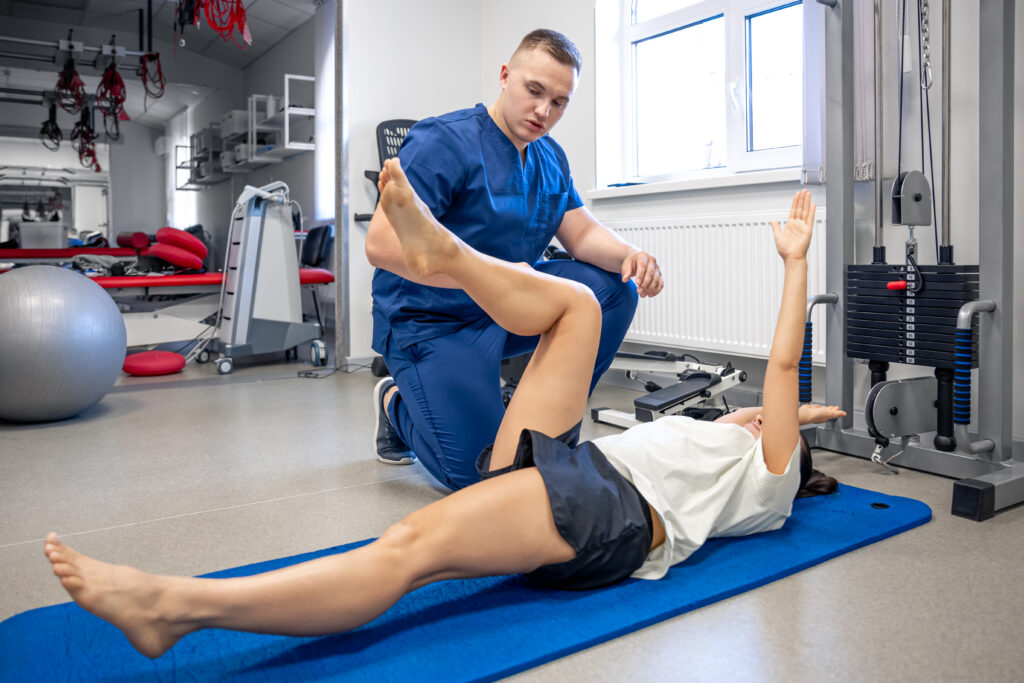
Introduction to Knee Ligament Injuries
Knee ligament injuries are common, especially among athletes and active people. These injuries can happen during sports, falls, or even daily activities. The knee has four main ligaments: ACL, PCL, MCL, and LCL. When one of these ligaments is stretched or torn, pain and swelling often follow. Early treatment is important. Physical therapy for knee ligament injuries can help you heal faster and regain strength.
Role of Physical Therapy in Recovery
Physical therapy plays a key role in knee ligament injury recovery. After an injury, your knee may feel weak or stiff. However, with the right exercises and guidance, you can restore movement and strength. Physical therapists design safe rehab plans for each person. They help you move better and avoid further injury. According to the American Physical Therapy Association, early rehab can improve long-term outcomes.
Common Physical Therapy Techniques for Knee Ligament Injuries
Physical therapists use many techniques to help your knee heal. For example, they may start with gentle movements to reduce pain. As you improve, they add more challenging exercises. Here are some common techniques:
In addition, therapists may teach you how to walk safely with crutches or a brace. Over time, they guide you through knee rehab exercises that match your progress.
Benefits of Physical Therapy for Knee Ligament Injuries
Physical therapy offers many benefits for knee ligament injuries. First, it helps reduce pain and swelling. Next, it improves your knee’s strength and flexibility. With regular sessions, you may return to daily activities sooner. Other benefits include:
According to studies in medical journals, people who follow a rehab plan often heal better than those who do not.
Tips for Safe and Effective Rehabilitation
Rehabilitation takes time and patience. To stay safe and get the best results, follow these tips:
Moreover, keep all therapy appointments and ask questions if you are unsure about any exercise.
Prevention and Lifestyle Guidance
Preventing knee ligament injuries is possible with a few simple steps. For instance, warming up before exercise can protect your knees. In addition, wearing proper shoes and using good technique during sports helps. Here are more tips:
By making these habits part of your routine, you can lower your risk of injury.
When to Consult a Specialist
Sometimes, knee pain or swelling does not improve with rest. If you notice severe pain, trouble walking, or your knee gives way, see a specialist. Early care can prevent long-term problems. Many physical therapy clinics in your area offer expert help for knee ligament injuries. In summary, do not wait if your symptoms get worse or do not improve.
If you have knee pain or suspect a ligament injury, consult Kakatiya Rehabilitation & Elderly Care. Our physiotherapists and healthcare specialists will create a personalized plan to help you recover safely and effectively.