
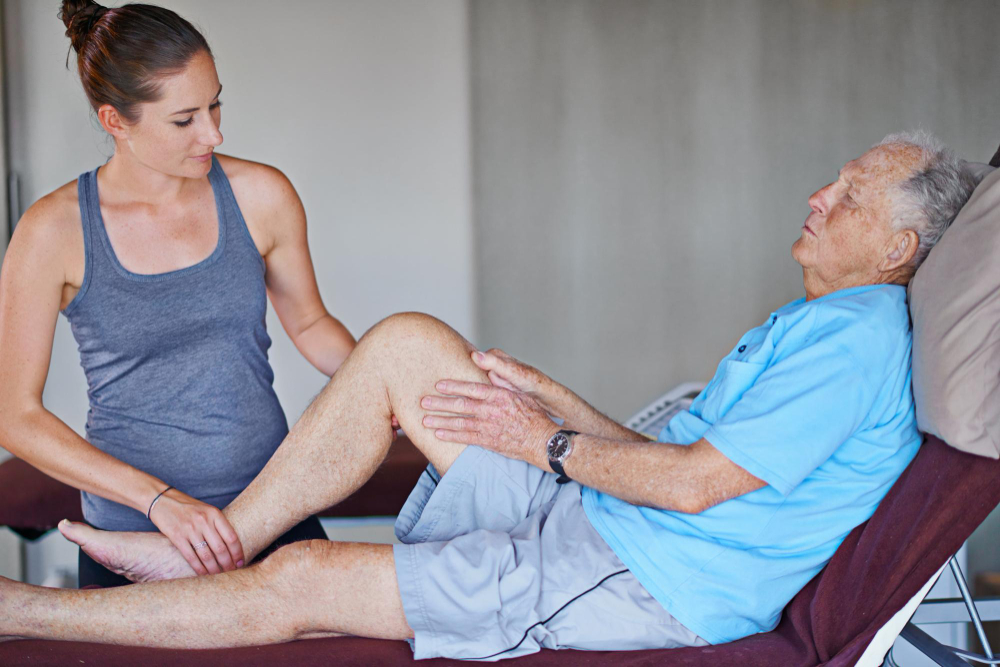
Post-fracture rehabilitation in elderly patients is a vital part of recovery after a bone break. For many seniors, a fracture can change daily life. It may cause pain, limit movement, and increase the risk of more injuries. Because of this, proper rehabilitation is important for both patients and their families. With the right care, elderly fracture recovery can help seniors regain strength, improve balance, and return to daily activities. This guide explains the process and offers practical rehabilitation tips for older adults.
Common Fractures in the Elderly
As people age, bones often become weaker. This makes certain fractures more common in seniors. For example, a simple fall can cause a break. Here are some typical fracture types in older adults:
According to the World Health Organization (WHO), hip fractures are a leading cause of disability in seniors.
Symptoms and Challenges After a Fracture
After a fracture, elderly patients may face several symptoms and challenges. For instance, pain and swelling are common. Many also notice bruising or trouble moving the injured area. However, the challenges do not end there. Seniors often face:
Because of these issues, elderly fracture recovery can take longer. It is important to address both physical and emotional needs during this time.
Goals of Rehabilitation
The main goals of physiotherapy after fracture in seniors are clear. First, the aim is to reduce pain and swelling. Next, it is important to restore movement and strength. In addition, rehabilitation helps improve balance and prevent future falls. Here are the key objectives:
With these goals, seniors can return to daily life more safely and quickly.
Rehabilitation Process
Rehabilitation after a fracture happens in stages. Each step is important for a full recovery. Let’s look at the process:
Pain Management
At first, managing pain is a top priority. Doctors may suggest medicines, ice packs, or gentle movements. This helps seniors feel comfortable and ready for therapy.
Mobility Exercises
Once pain is under control, gentle exercises begin. These help restore movement and prevent stiffness. For example:
Strength Training
After mobility improves, strength training starts. This helps rebuild muscles and support the healing bone. Examples include:
Balance Improvement
Balance exercises are vital for elderly fracture recovery. They help prevent future falls. Some safe options are:
Safety Tips
It is best to follow a plan from a physiotherapist or a rehabilitation center near you.
Role of Family and Caregivers
Family and caregivers play a big part in elderly fracture recovery. For example, they can help with daily tasks and offer encouragement. Here are some ways to support seniors during rehabilitation:
With support, seniors often feel more confident and recover faster.
Prevention of Future Fractures
After a fracture, it is important to prevent another one. There are many ways to lower the risk. For instance, simple changes at home and healthy habits can help. Here are some tips:
According to the CDC, these steps can greatly reduce the chance of future fractures in older adults.
When to Seek Professional Help
Sometimes, problems can arise during recovery. It is important to know when to call a doctor or physiotherapist. Watch for these warning signs:
If you notice any of these, seek help right away. Early care can prevent more serious issues.
For more guidance, you can contact rehabilitation centers near you or speak with a healthcare provider.
Conclusion
Post-fracture rehabilitation in elderly patients is key for safe and full recovery. With the right steps, seniors can regain strength, improve balance, and enjoy daily life again. For the best results, consult a physiotherapist or healthcare provider at Kakatiya Rehabilitation & Elderly Care for personalized post-fracture rehabilitation guidance.