
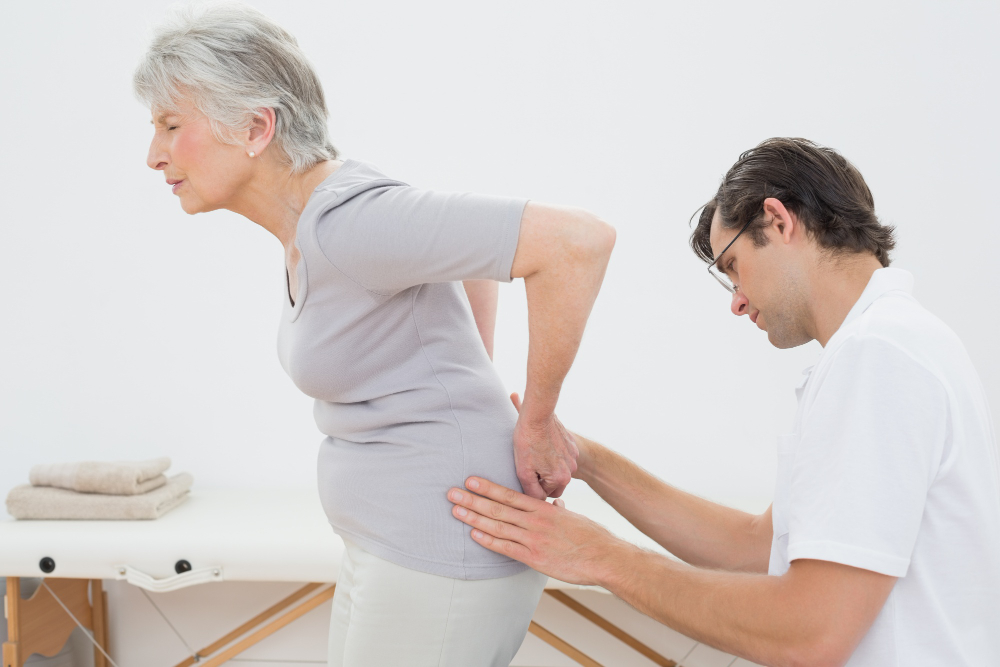
As we age, our bodies go through many changes. One common issue is a shift in spine posture. Posture correction for age-related spine changes is important for comfort and health. In fact, improving posture with age can help reduce pain and keep you active. This blog explains symptoms, causes, and how physiotherapy for spine changes can help.
Symptoms of Age-Related Spine Changes
Many older adults notice changes in their spine posture. These changes can lead to several symptoms. For example, you may notice:
Sometimes, these symptoms can affect daily life. Therefore, it is important to watch for these signs.
Causes of Spine Changes with Age
As people get older, several factors can change spine posture. First, bones may lose strength, a condition called osteoporosis. This can make the spine curve more than before. Also, muscles and ligaments may weaken. As a result, they support the spine less. In addition, years of poor posture can add up. Even daily habits, such as slouching, can make things worse. According to the World Health Organization (WHO), these changes are common in older adults.
Diagnosis and Assessment
Healthcare professionals use several methods to assess spine posture in older adults. Usually, they start with a physical exam. They may ask you to stand, walk, or bend. Sometimes, they use special tools to measure your posture. In some cases, X-rays or scans help check bone health. Early assessment helps guide the best treatment plan. Therefore, it is wise to get checked if you notice changes.
Physiotherapy and Posture Correction Techniques
Physiotherapy for spine changes offers many solutions. A physiotherapist can design a plan just for you. For instance, they may teach you exercises to strengthen your back and core. They may also show you how to stretch tight muscles. Here are some common techniques and exercises:
Besides exercises, physiotherapists may suggest:
With regular practice, these steps can improve posture with age and reduce discomfort.
Prevention and Daily Habits
Good habits can help prevent further spine changes. For example, you can:
Additionally, avoid smoking and limit alcohol, as these can weaken bones. Small changes each day can make a big difference over time.
When to Seek Professional Help
Sometimes, home care is not enough. You should see a physiotherapist or doctor if you notice:
Early help can prevent problems from getting worse. Therefore, do not wait if you have concerns.
Conclusion
In summary, posture correction for age-related spine changes is key for comfort and health. Symptoms like pain or a hunched back are common as we age. However, with the right exercises and daily habits, you can improve your posture. Physiotherapy for spine changes offers safe, proven solutions. If you notice warning signs, seek help early. Consult a qualified physiotherapist at Kakatiya Rehabilitation & Elderly Care for personalized posture correction and spine health guidance.