Introduction
Stroke rehabilitation in elderly patients is a key part of recovery after a stroke. Many seniors face challenges after a stroke, but with the right support, they can regain strength and independence. Early and effective rehabilitation helps improve movement, speech, and daily living skills. Because stroke risk increases with age, it is important to know how to help older adults recover and stay healthy. This guide explains the steps and support needed for stroke recovery in seniors.
Common Symptoms and Challenges After a Stroke in Elderly Patients
After a stroke, elderly patients may face many symptoms and challenges. These can affect both the body and mind. For example, some common problems include:
Because these symptoms can make daily life hard, seniors often need extra support. With patience and the right care, many people improve over time.
Causes and Risk Factors for Stroke in Older Adults
Strokes happen when blood flow to the brain stops. In older adults, several factors raise the risk. For instance, common causes and risk factors include:
Because age itself is a risk factor, seniors should watch for these issues. Regular check-ups can help catch problems early and lower stroke risk.
Diagnosis and Assessment in Stroke Rehabilitation
After a stroke, doctors use tests to check how much damage has happened. For example, they may use brain scans, blood tests, and heart checks. Next, a team of specialists will assess movement, speech, and thinking skills. This helps them create a personal rehabilitation plan. Early assessment is important because it guides the right treatment for each patient.
Evidence-Based Rehabilitation Treatments
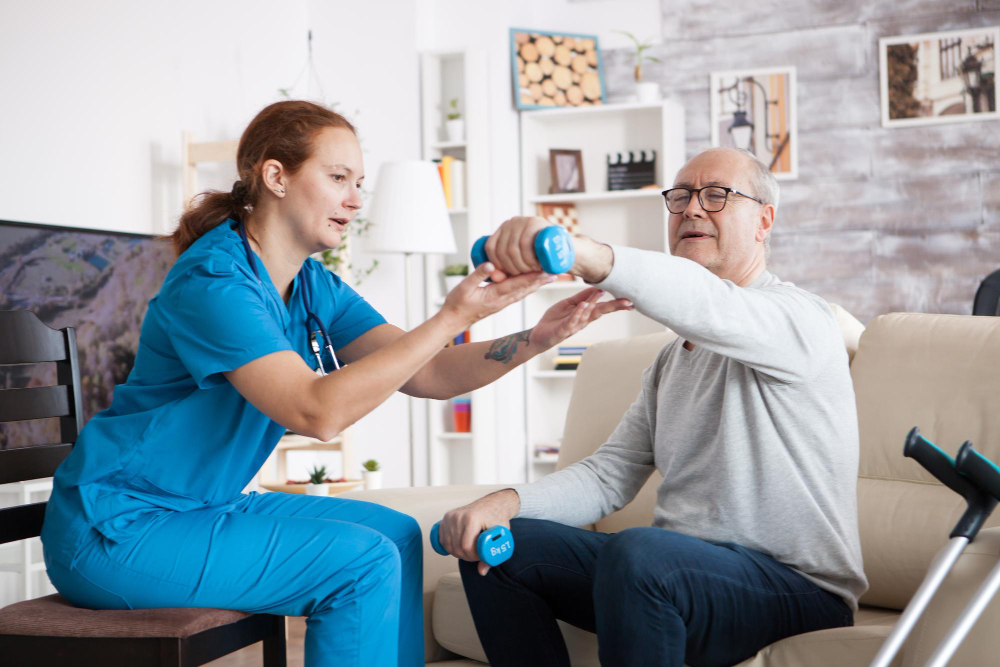
Stroke rehabilitation in elderly patients uses proven treatments to help recovery. Some of the main therapies include:
Because each person is different, the rehabilitation team adjusts the plan as needed. Regular sessions and practice at home help seniors make steady progress.
Home Care Tips and Lifestyle Modifications for Recovery
After leaving the hospital, home care is vital for stroke recovery. Here are some helpful tips for seniors and their families:
Because recovery can be slow, patience and encouragement are important. Small steps each day can lead to big improvements over time.
Prevention of Recurrent Strokes
After a stroke, seniors have a higher risk of another one. However, there are ways to lower this risk. For example:
Because prevention is key, regular check-ups and healthy habits make a big difference. The CDC and WHO both stress the importance of these steps.
Emotional and Social Support for Elderly Stroke Survivors
Stroke recovery is not just physical. Many seniors feel lonely, sad, or worried after a stroke. Therefore, emotional and social support is important. Family, friends, and support groups can help seniors feel less alone. Talking to a counselor or joining a local stroke support group can also help. Because mental health affects recovery, it is important to ask for help when needed.
When to Consult a Rehabilitation Specialist
If you notice new or worsening symptoms, it is time to consult a rehabilitation specialist. For example, if walking, speaking, or daily tasks become harder, seek help. Rehabilitation centers near you can offer expert care and advice. Early support from specialists can speed up recovery and improve quality of life.
Conclusion
Stroke rehabilitation in elderly patients is a journey that needs time, care, and support. With the right treatments and home care, many seniors regain independence. However, every recovery is unique. Consult a rehabilitation specialist at Kakatiya Rehabilitation & Elderly Care for personalized stroke recovery guidance.